Skip to content

Free delivery to a relay point for orders over €59 (metropolitan France)

English
  • Français
  • Español
  • English

Que recherchez-vous?

Natural Stone Beads for DIY Jewelry – Gemstones, Fine Stones, and Authentic Beads

Discover our selection of natural stone beads for DIY jewelry making. Quartz, amethyst, labradorite, jade, agate, moonstone, amazonite, and many other carefully selected gemstones to create unique necklaces, bracelets, and earrings. Natural beads with colors, reflections, and nuances unique to each stone.

488 items
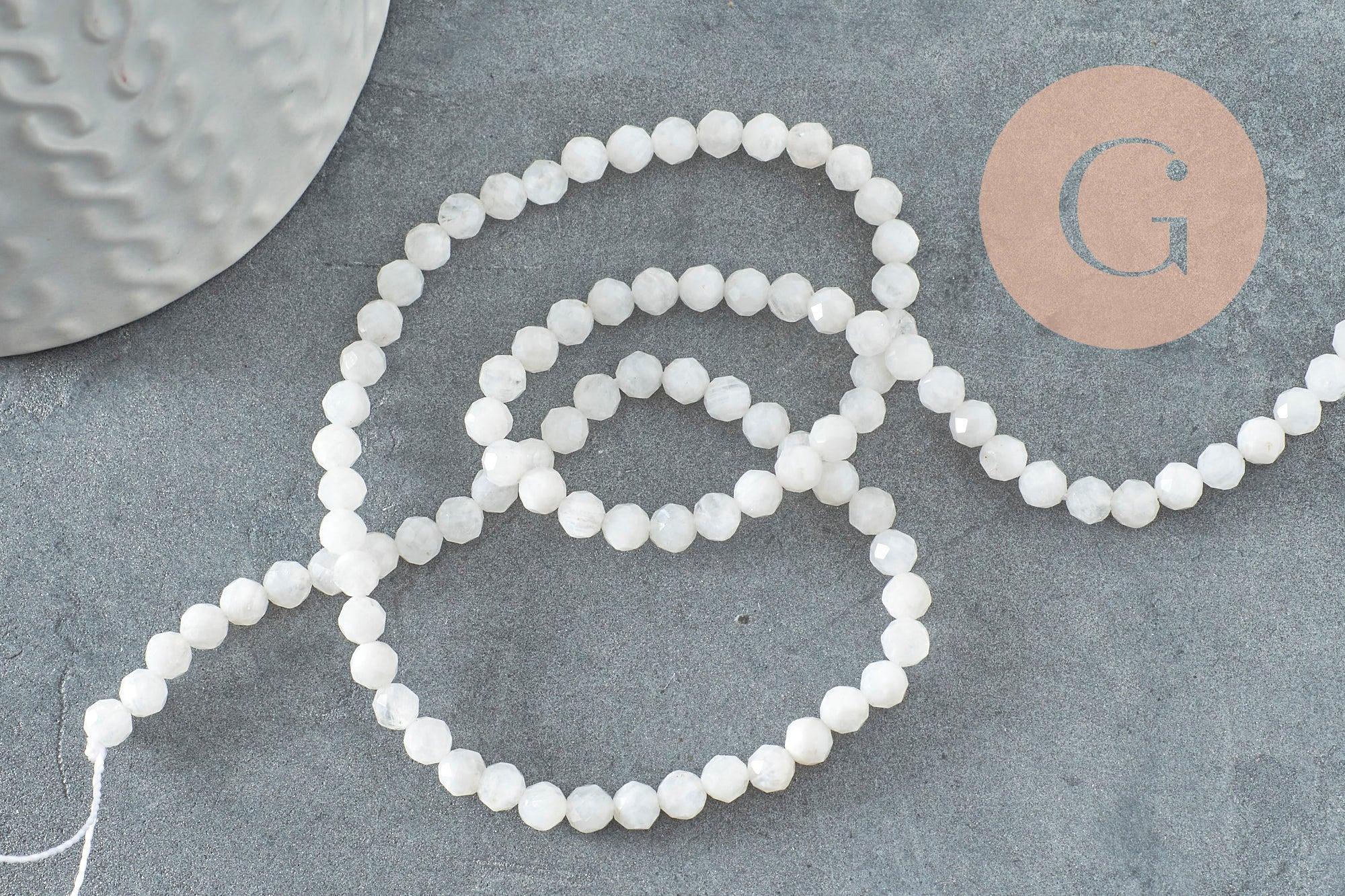
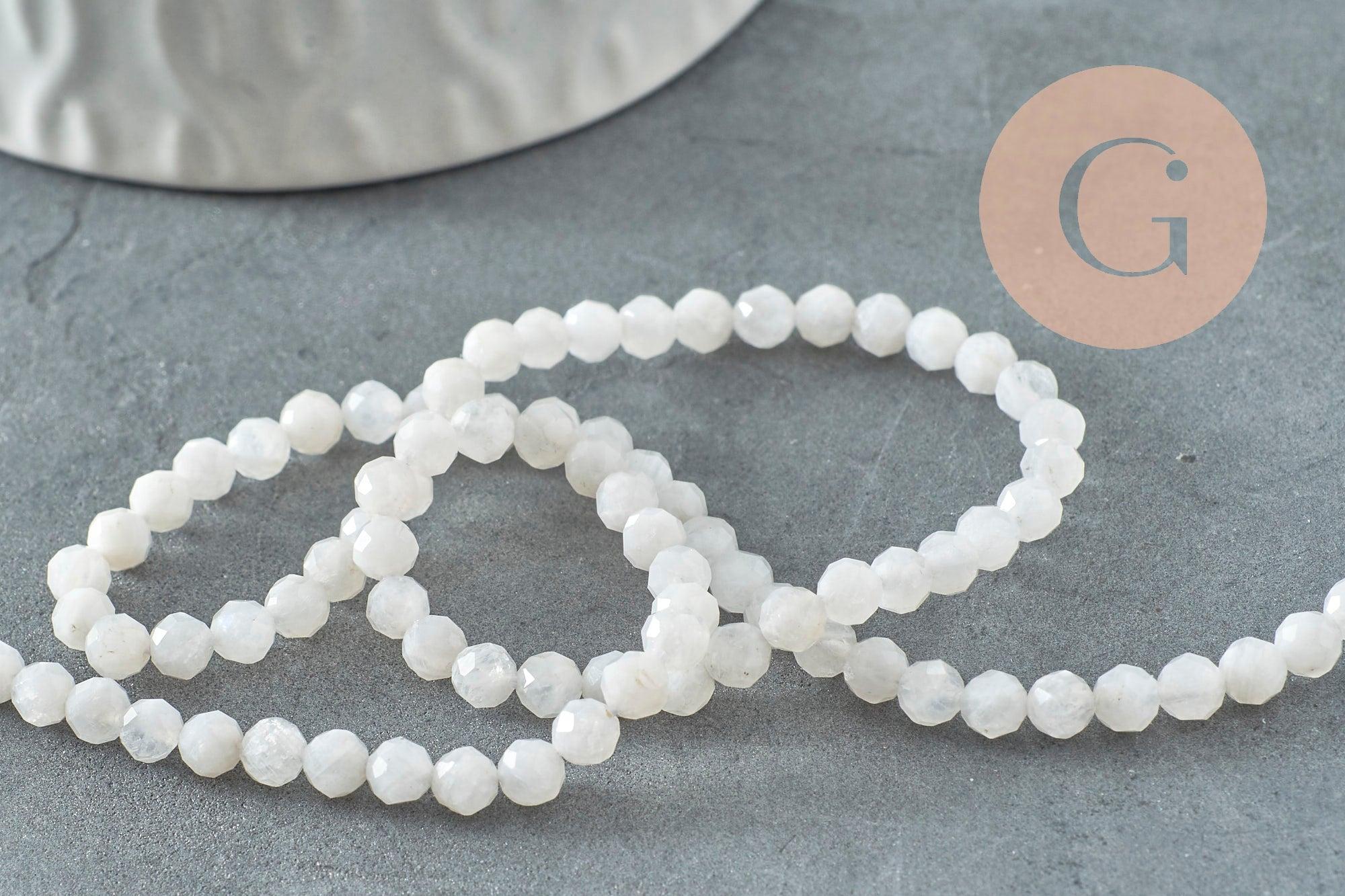
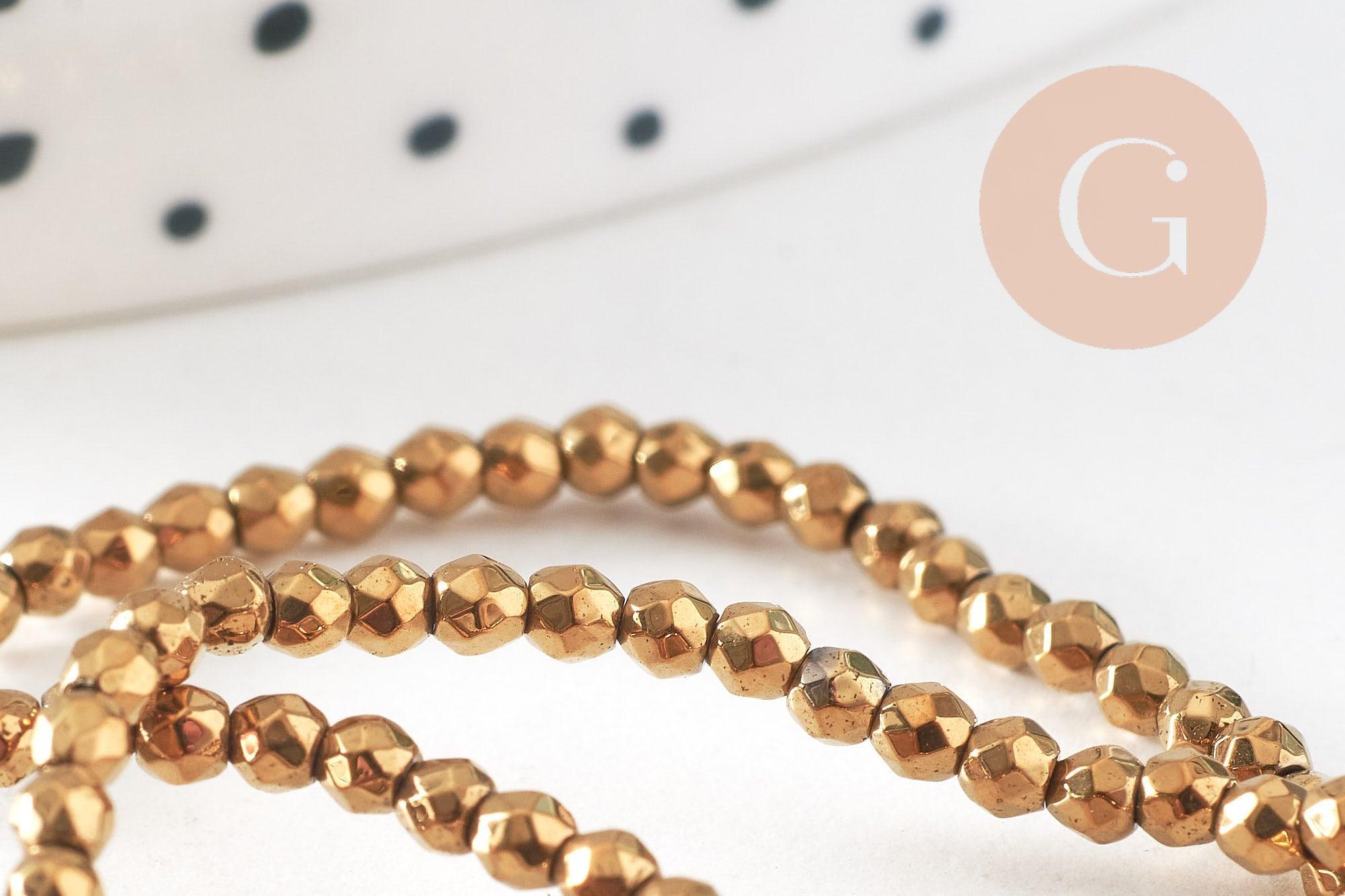
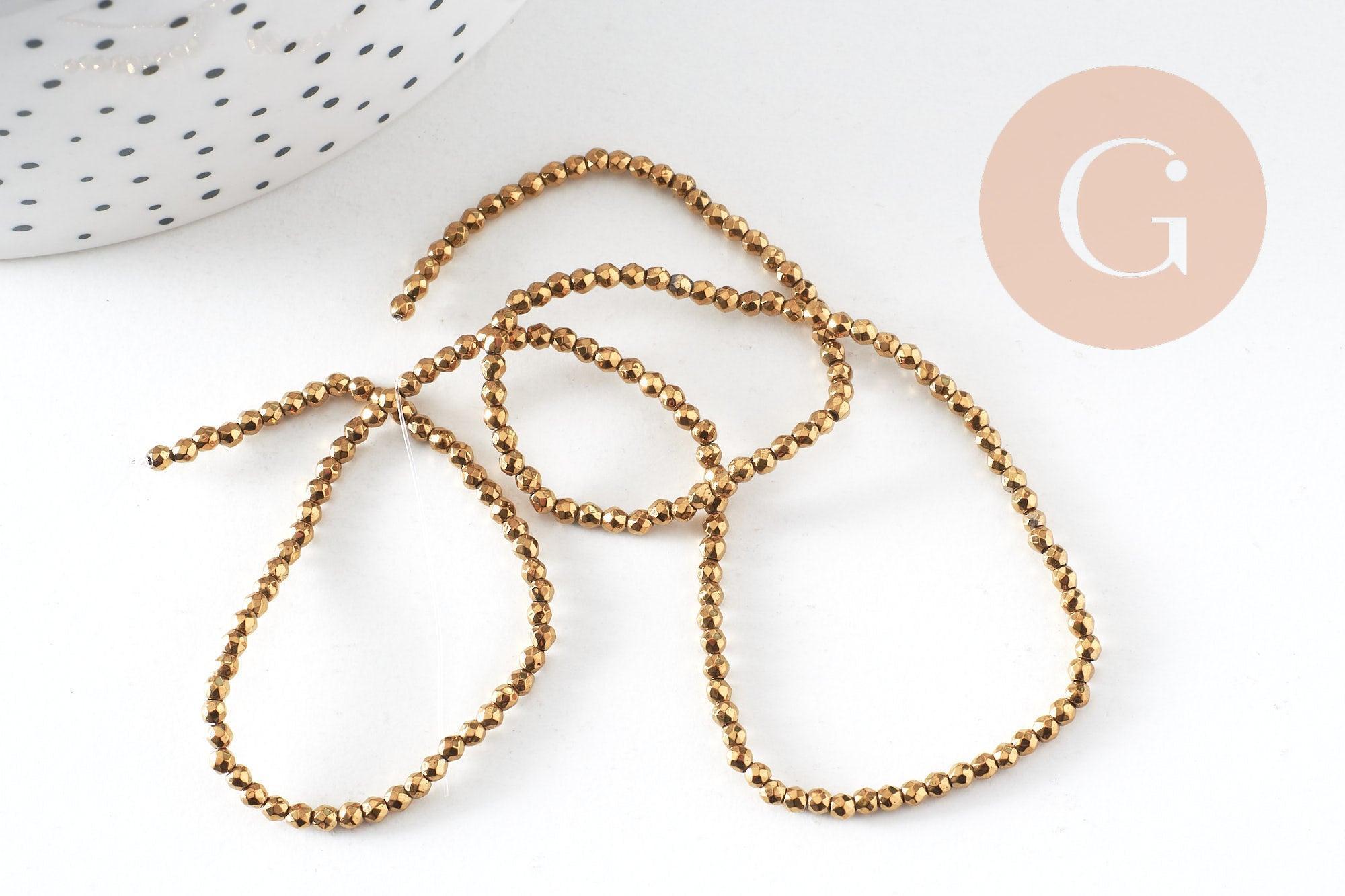
Perle pierre de lune naturelle facette 3.5-4mm, x1 fil de 40cm (G4657) Perle pierre de lune naturelle facette 3.5-4mm, x1 fil de 40cm (G4657)
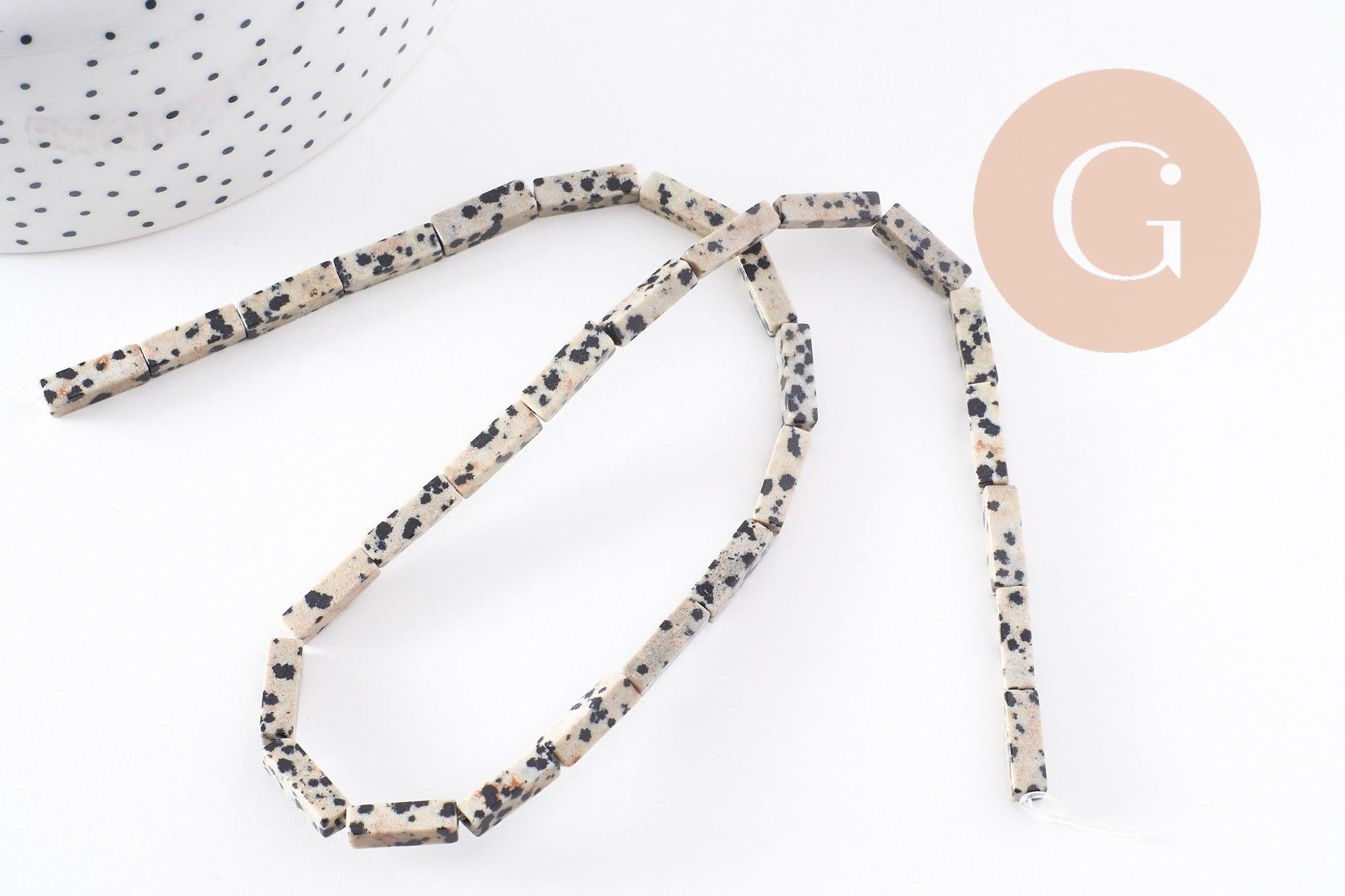
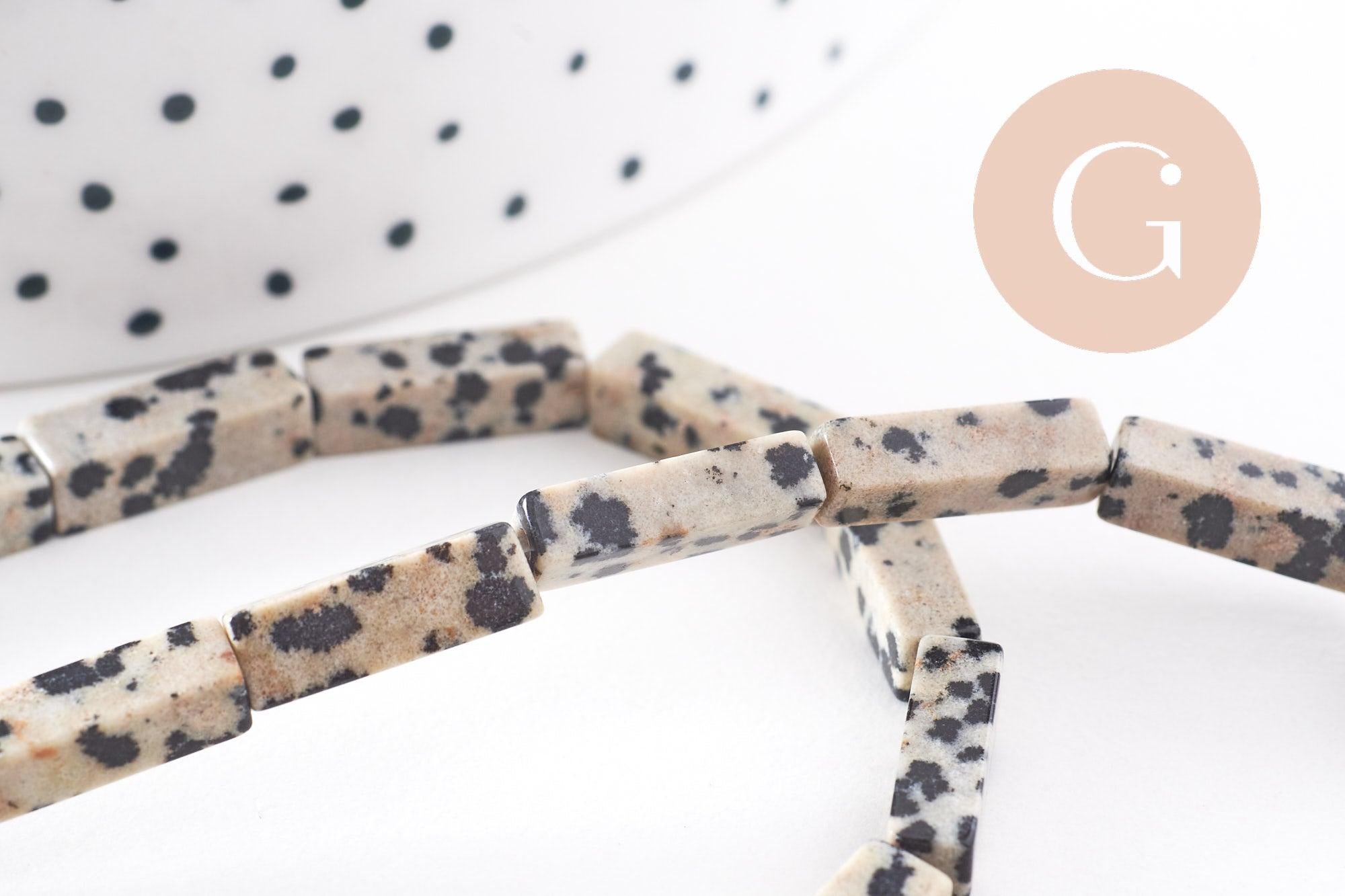
Perle rectangle jaspe dalmatien naturel 13.5mm, x1 fil de 39cm (G1925) Perle rectangle jaspe dalmatien naturel 13.5mm, x1 fil de 39cm (G1925)
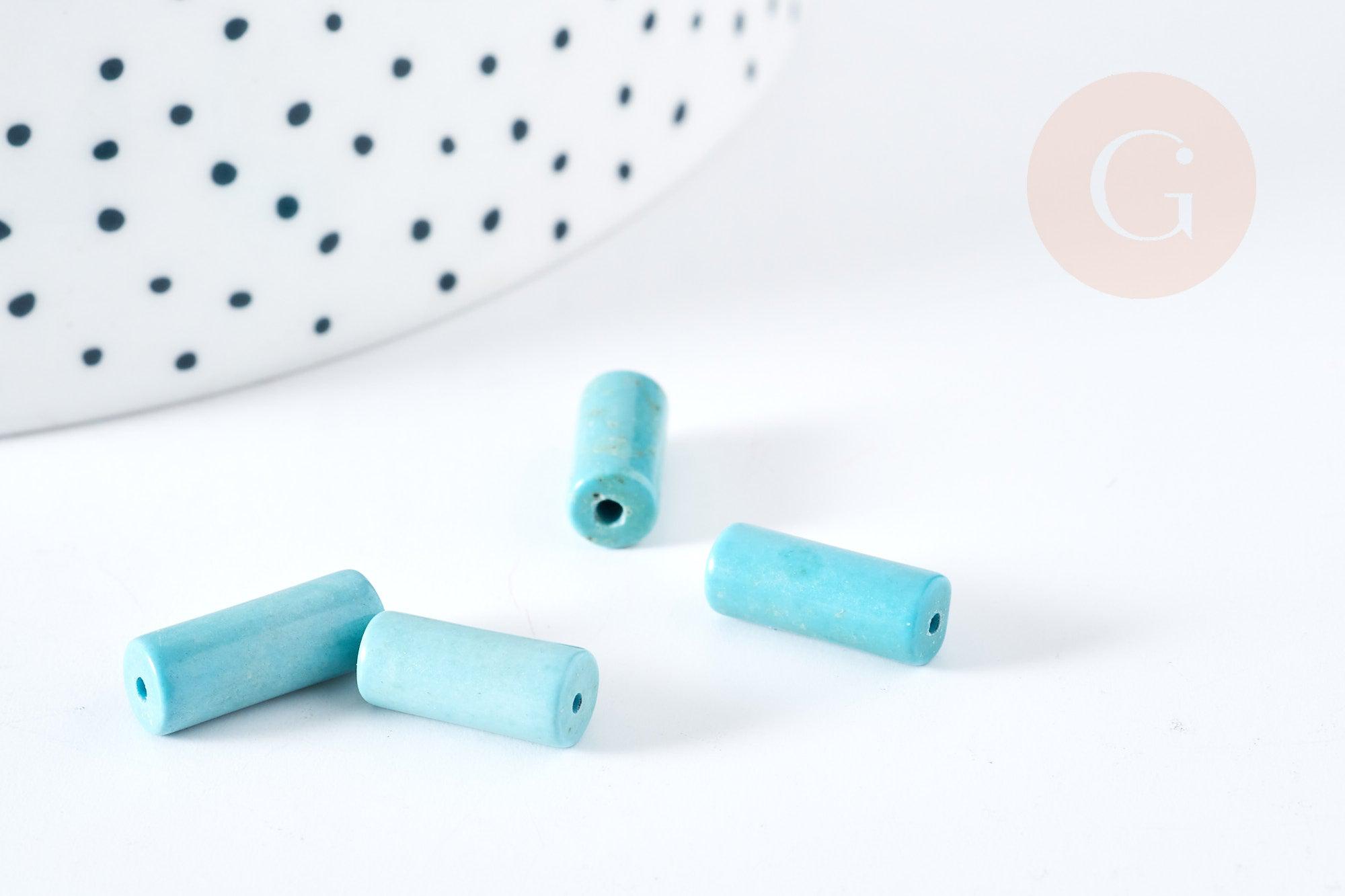
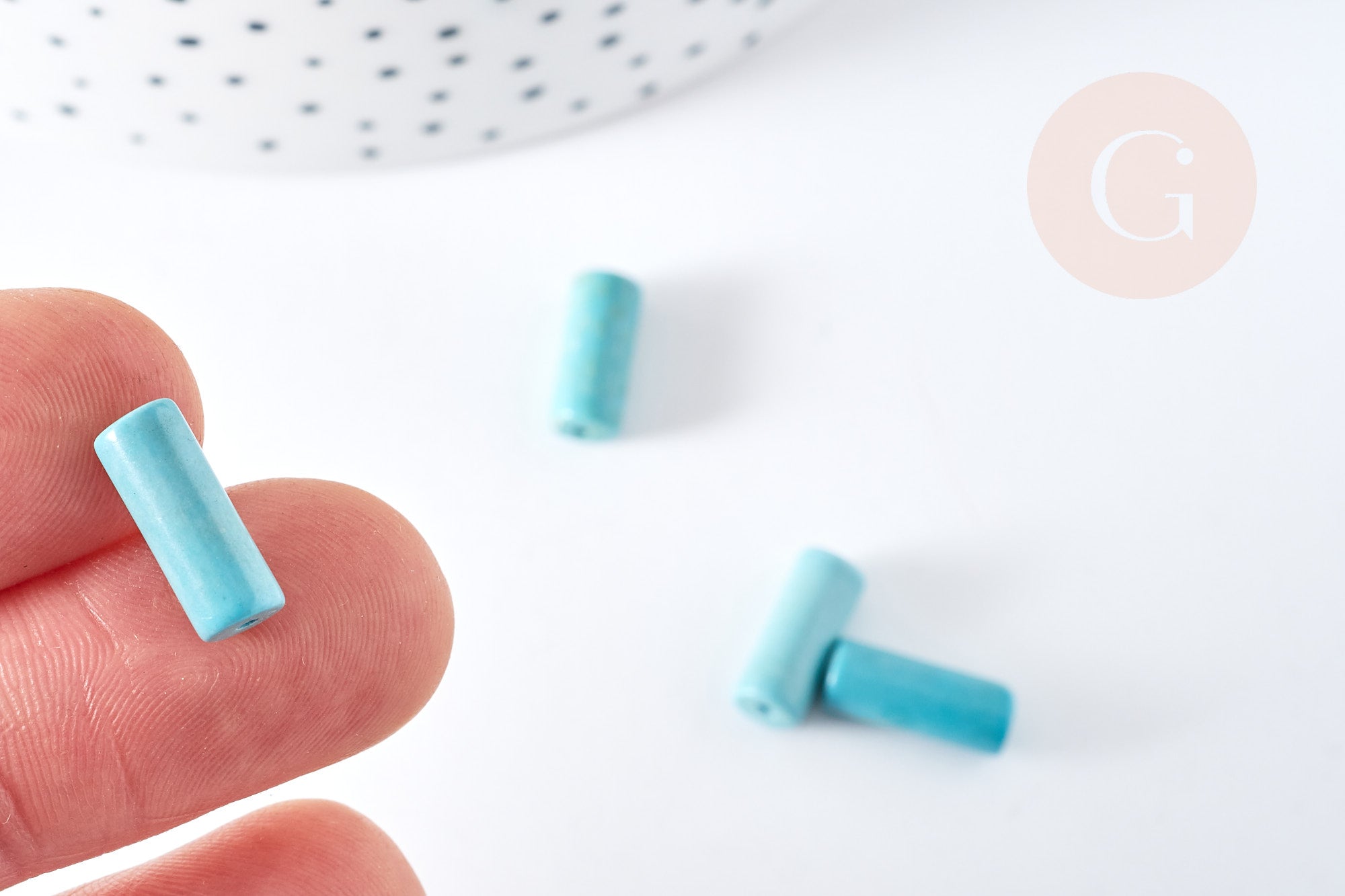
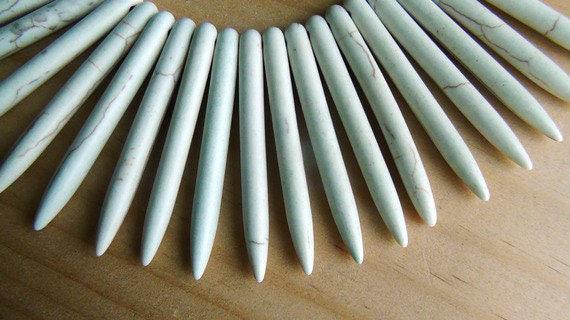
Perle tube howlite turquoise 13mm,perle tube, x10 (G0388) Perle tube howlite turquoise 13mm,perle tube, x10 (G0388)
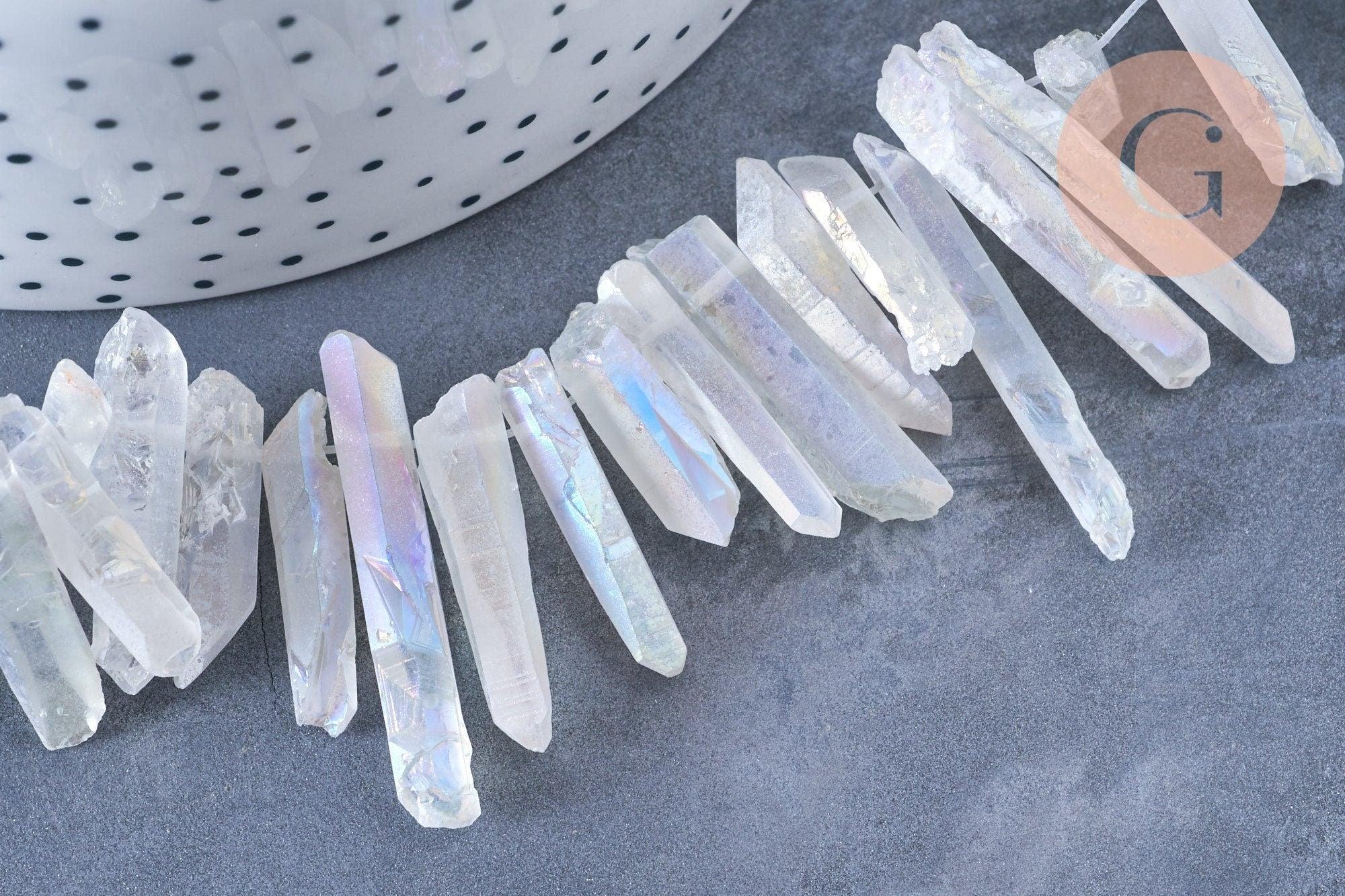
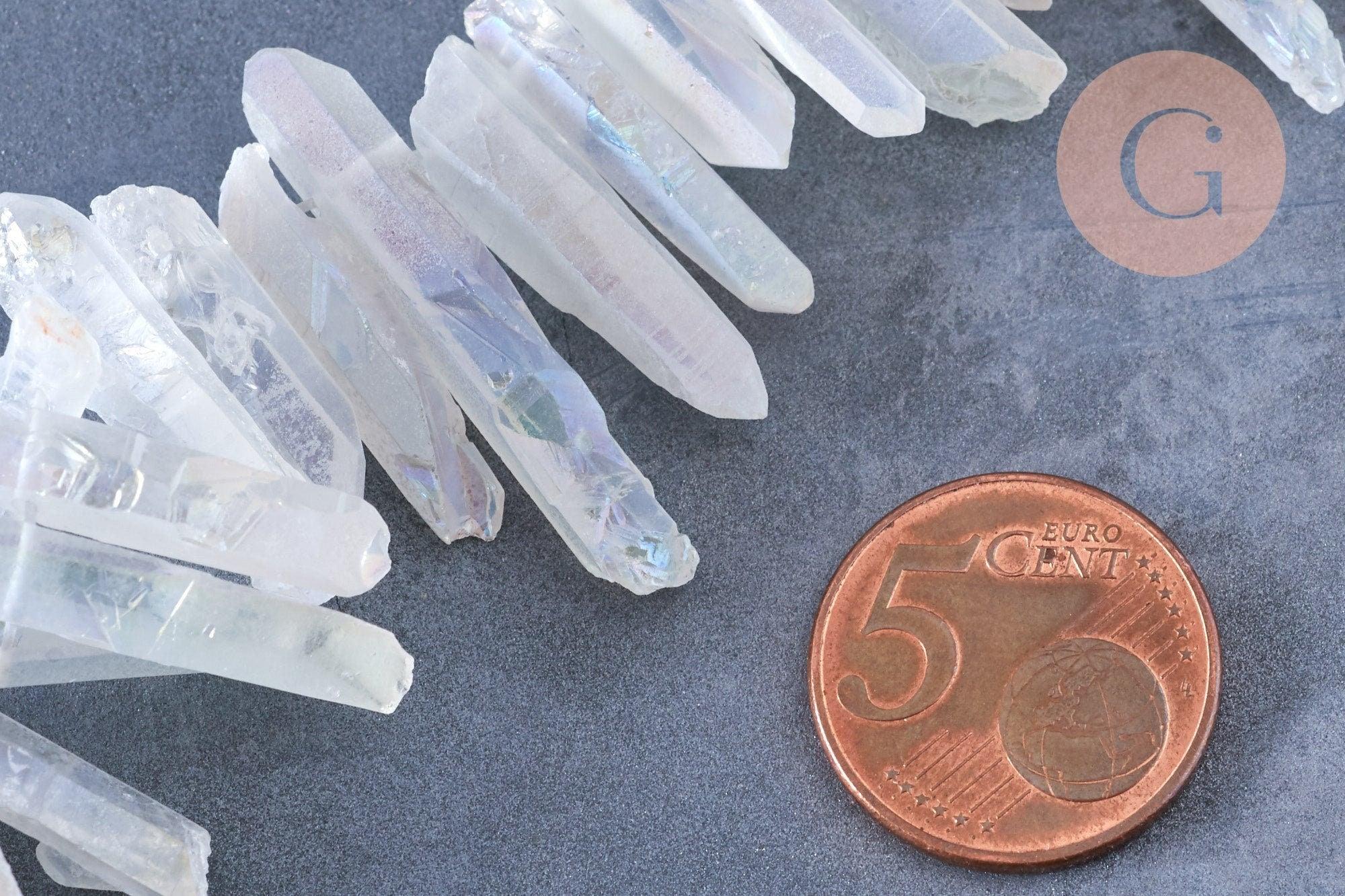
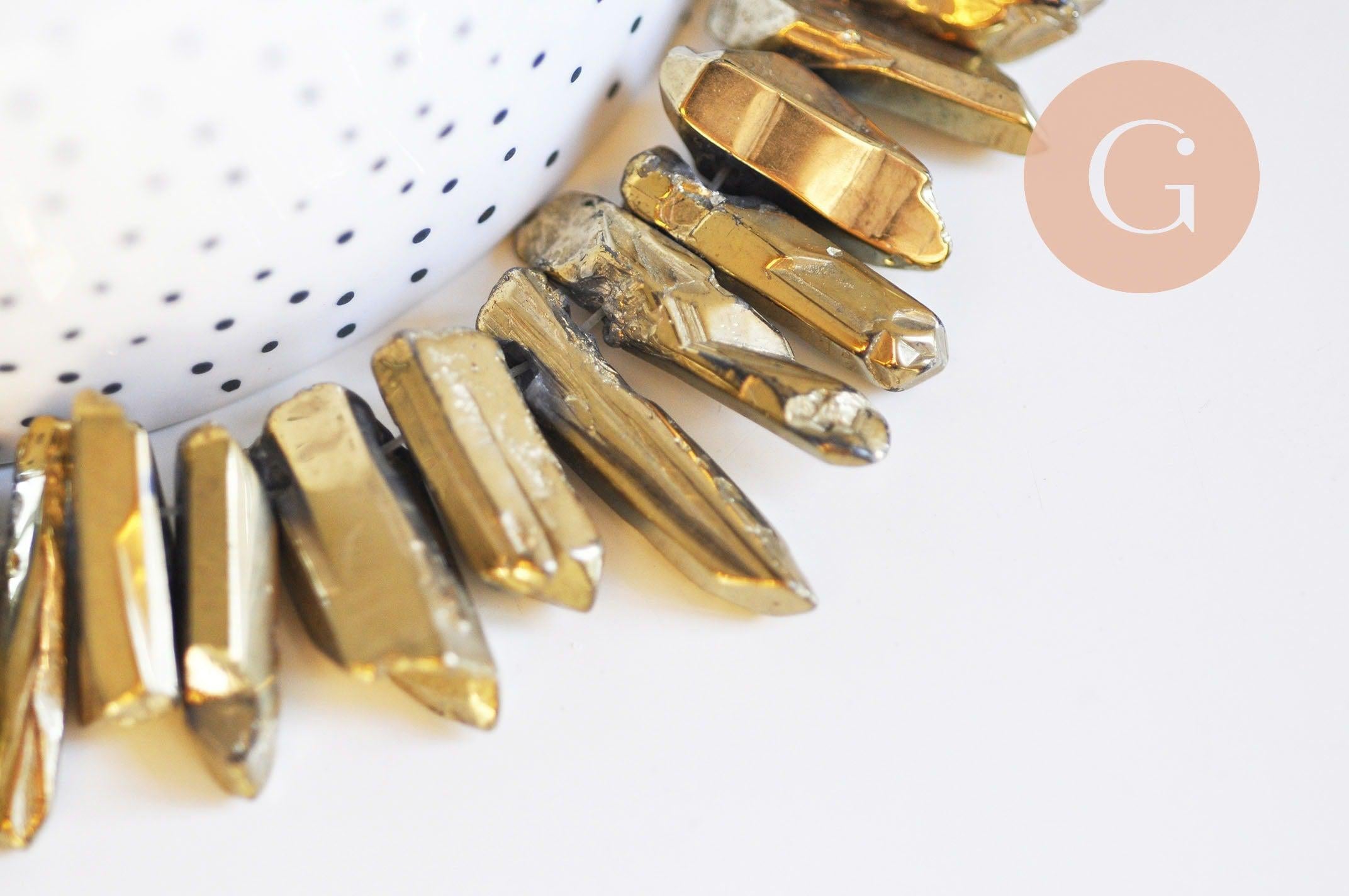
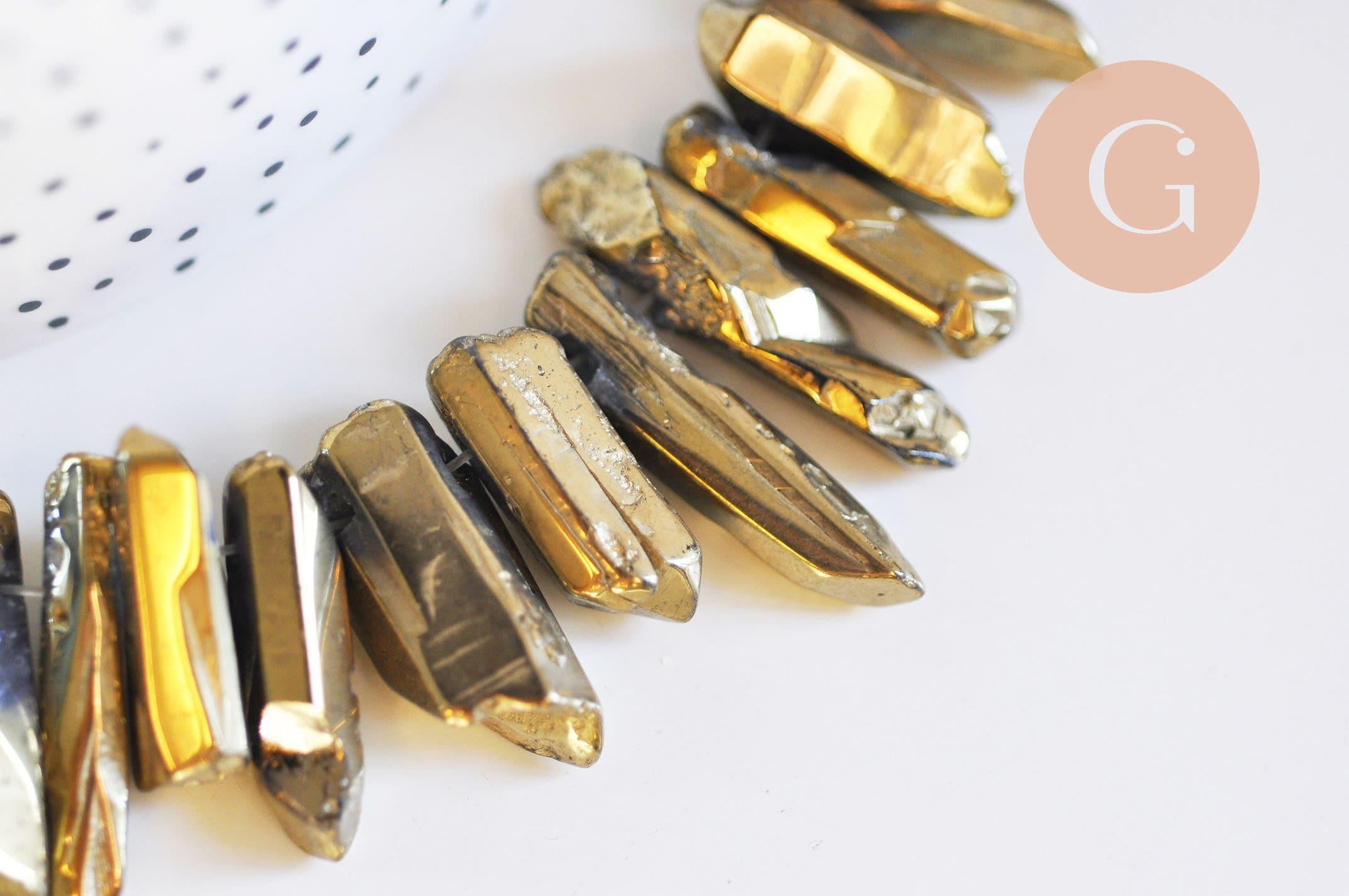
Perles cristal de roche naturel irisé 20-50mm, x10 (G6205) Perles cristal de roche naturel irisé 20-50mm, x10 (G6205)
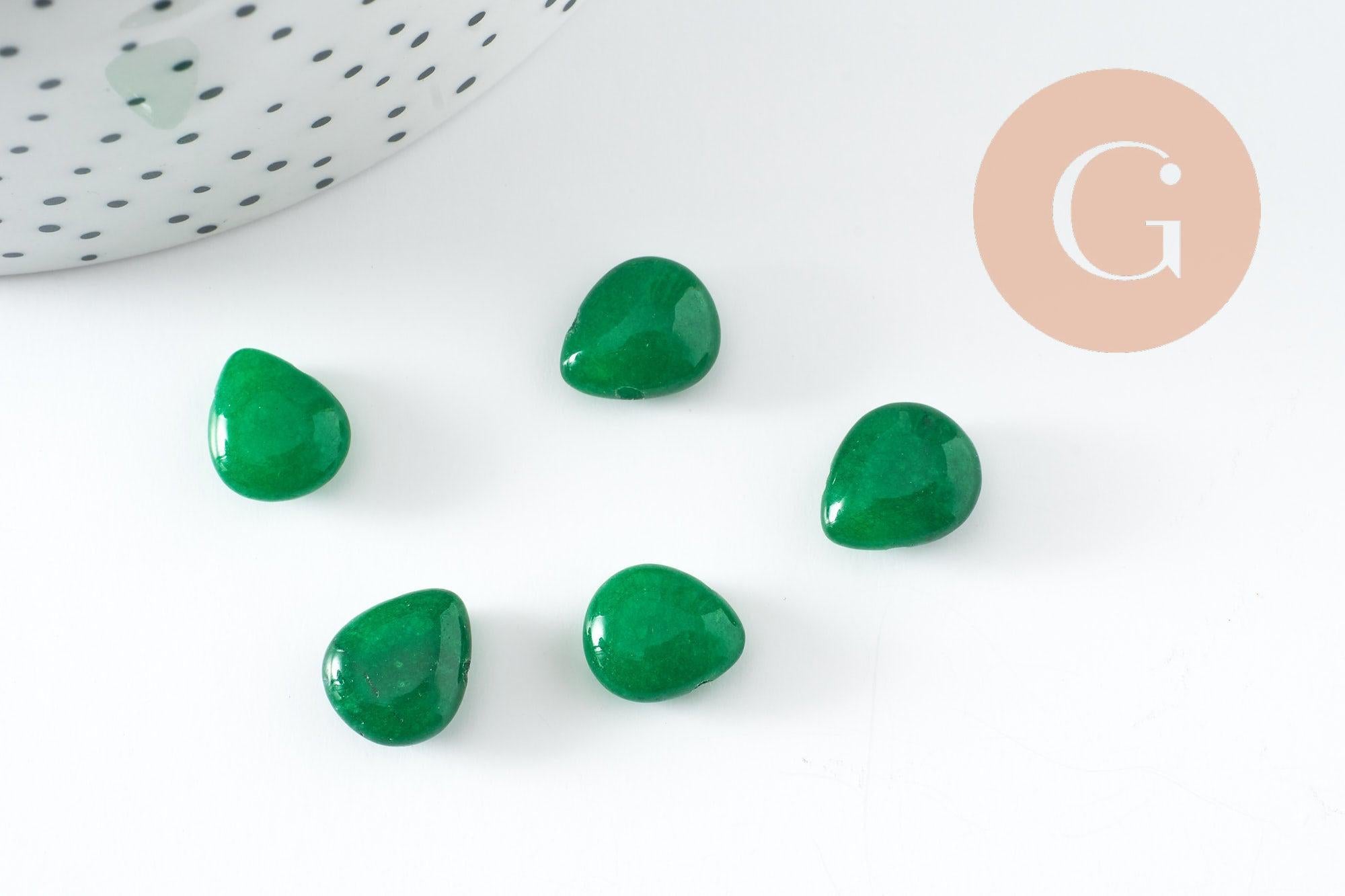
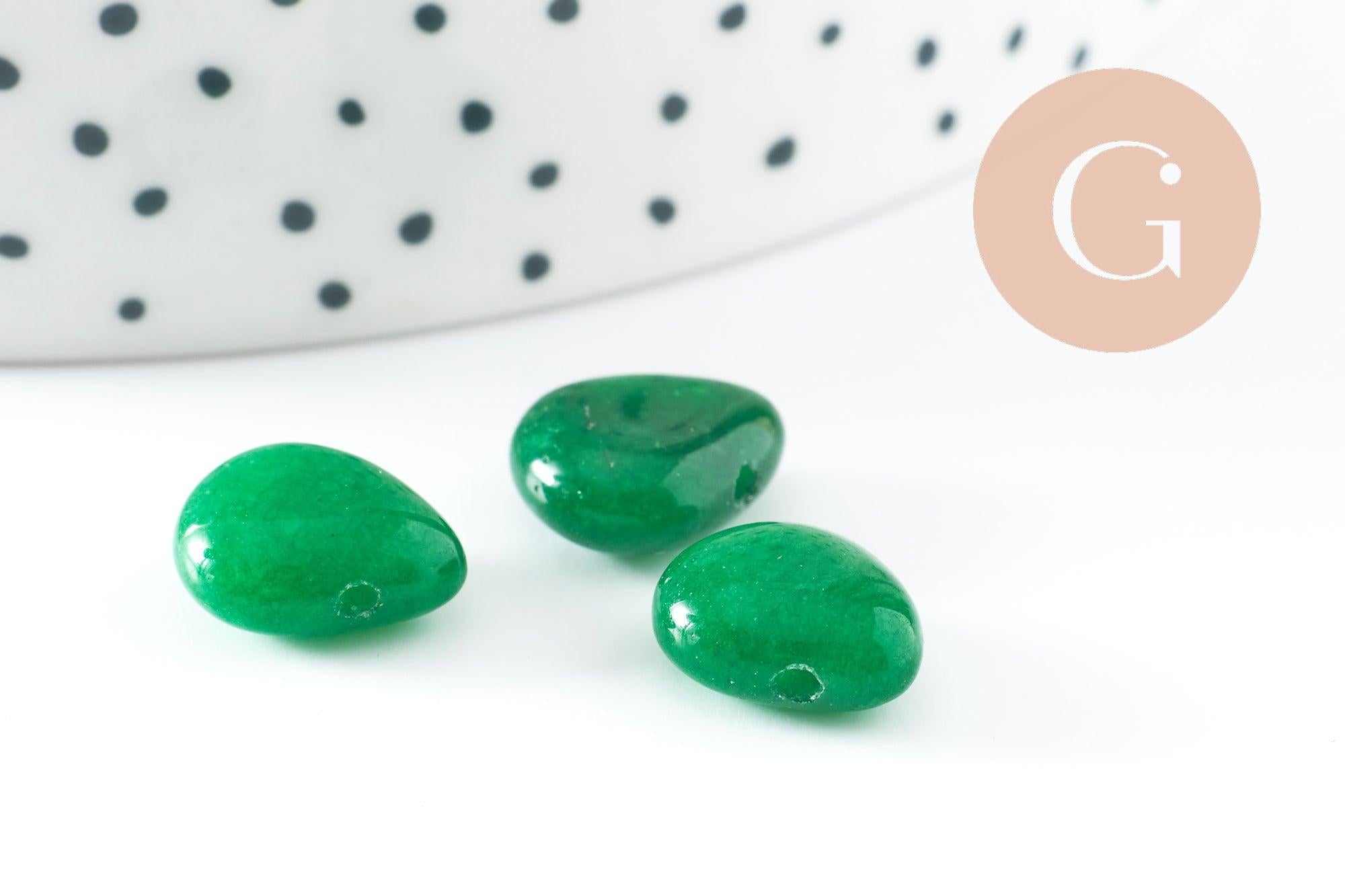
Perle goutte jadeite naturelle vert facetté 12mm, x5 (G3810) Perle goutte jadeite naturelle vert facetté 12mm, x5 (G3810)
Perles ronde quartz naturel 6mm, x1 fil de 36,5 cm (G3110) Perles ronde quartz naturel 6mm, x1 fil de 36,5 cm (G3110)
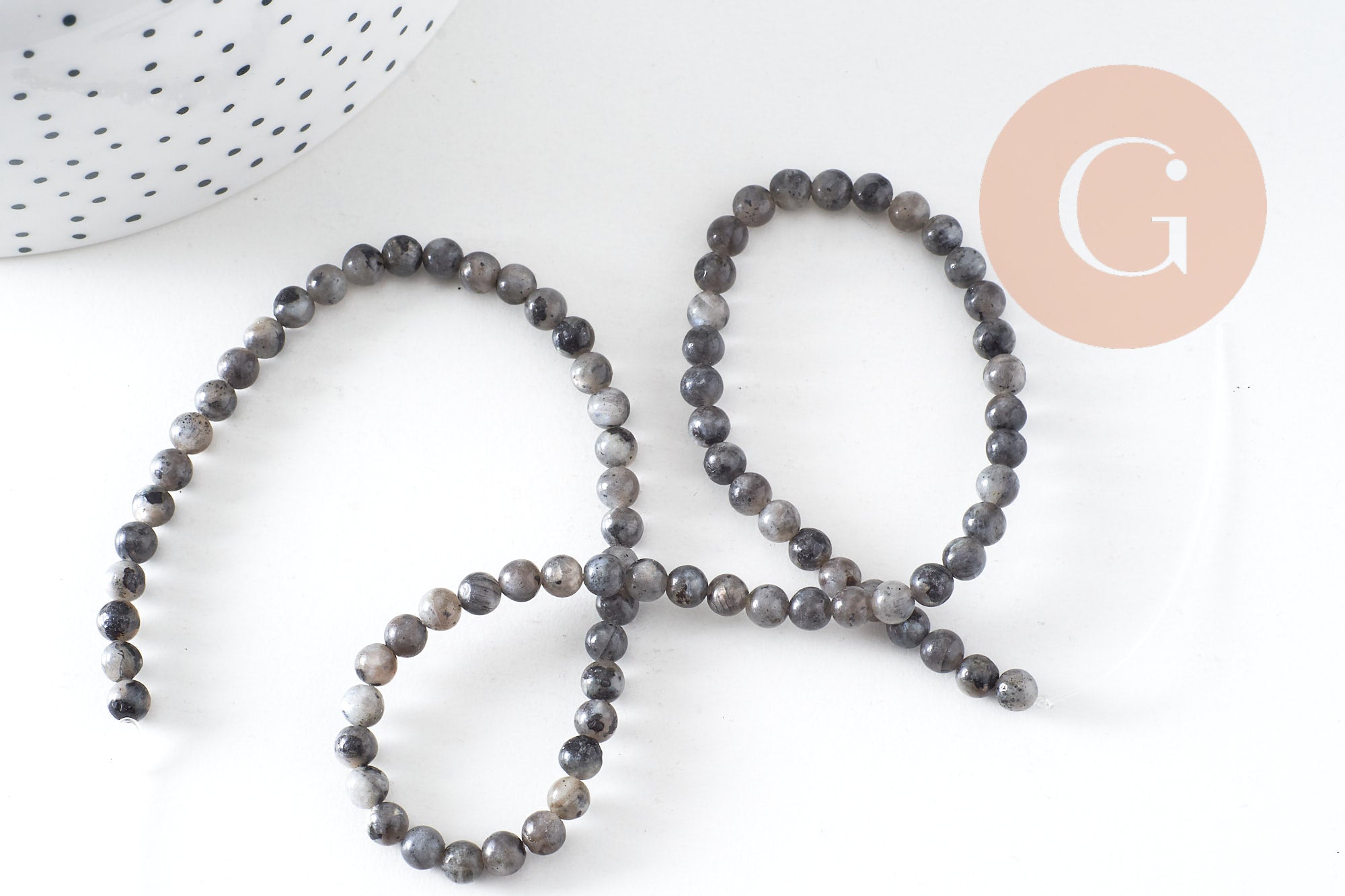
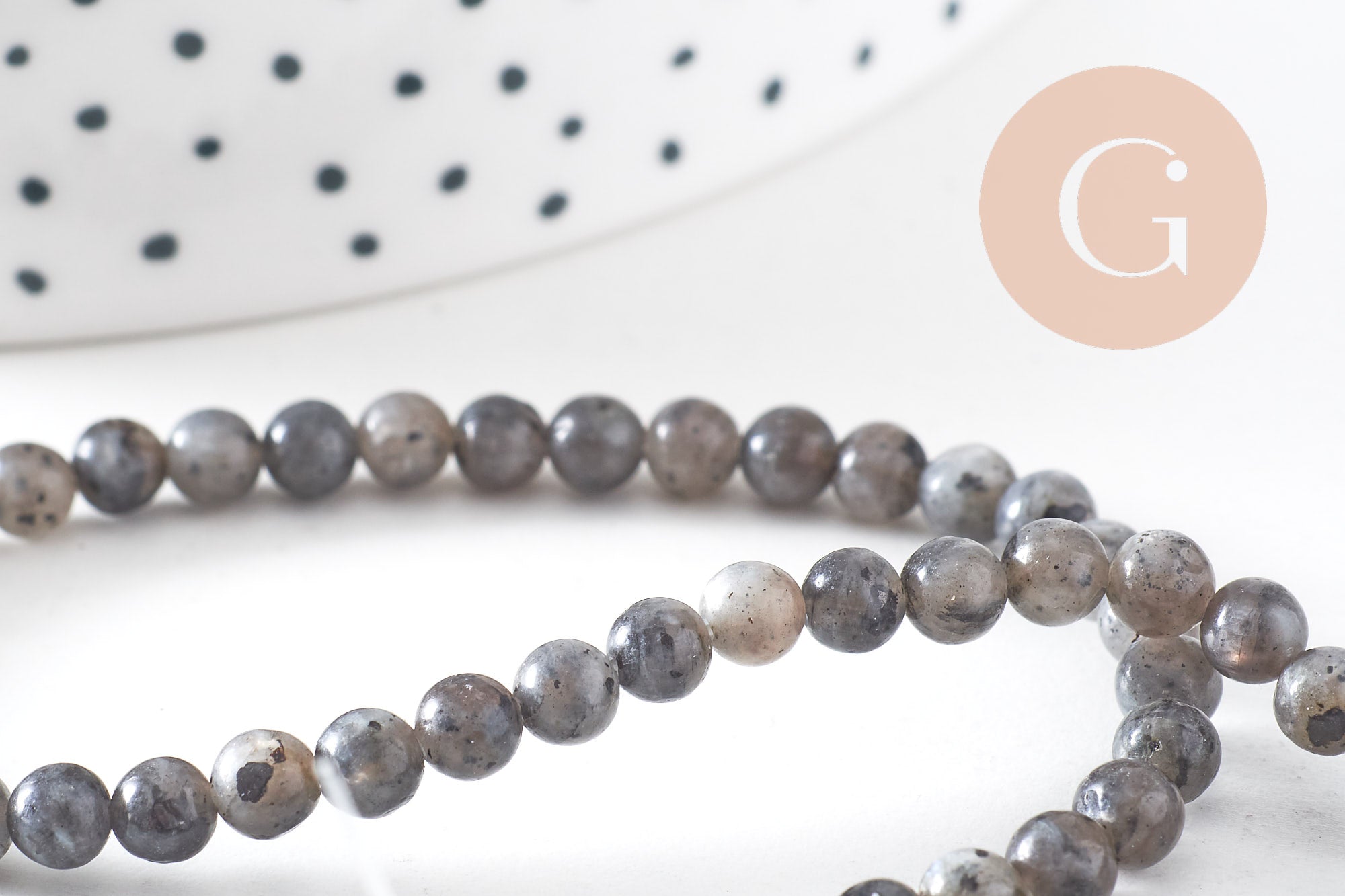
Perle ronde larvikite naturelle 4-5mm, x1 fil de 37cm (G0753) Perle ronde larvikite naturelle 4-5mm, x1 fil de 37cm (G0753)

How to choose natural stone beads for DIY jewelry?

Natural stone beads are captivating with their authenticity, unique hues, and the diversity of colors offered by nature. Each stone has its own characteristics: transparency, hardness, luster, presence of inclusions, or color variations.

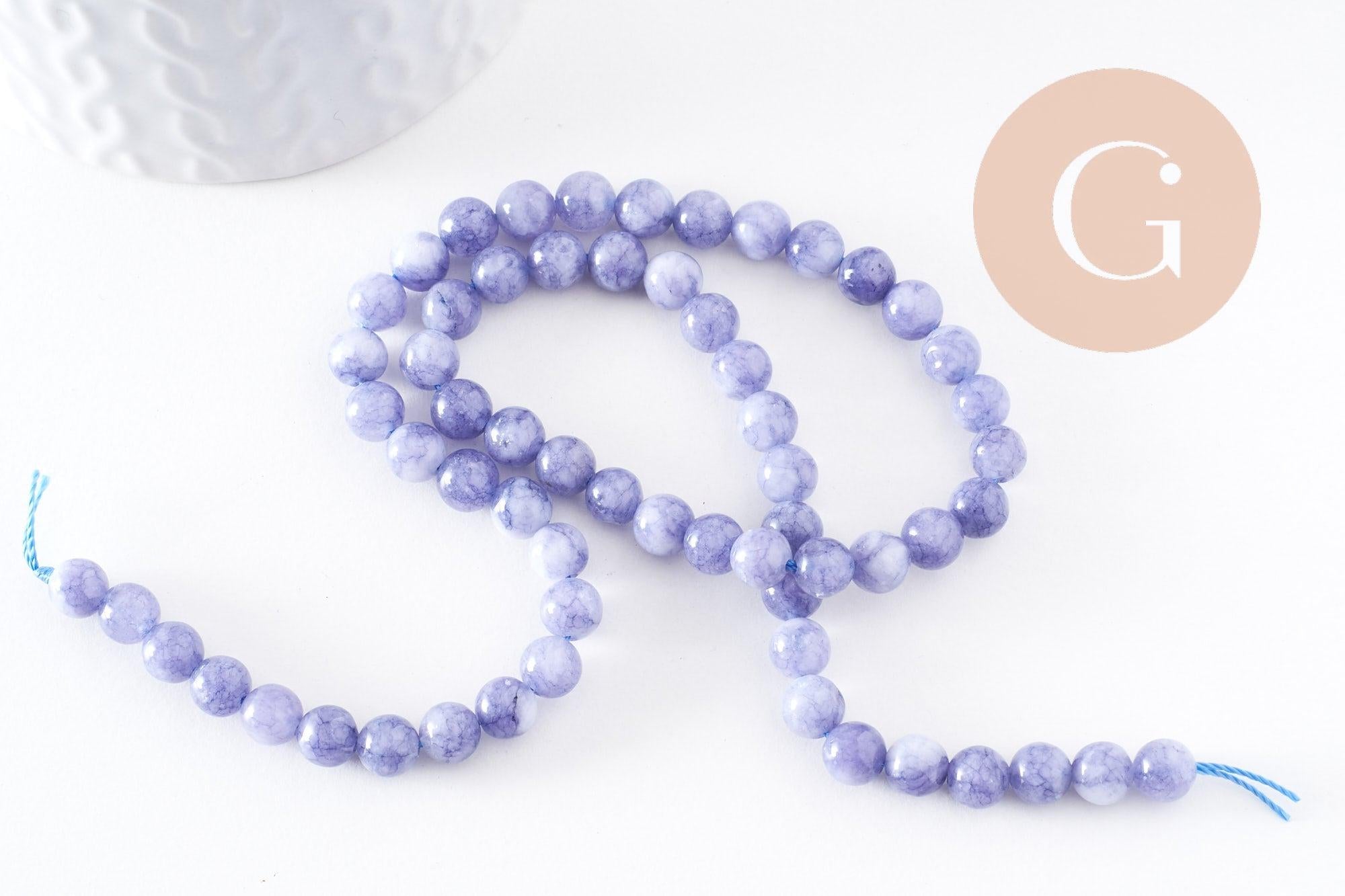
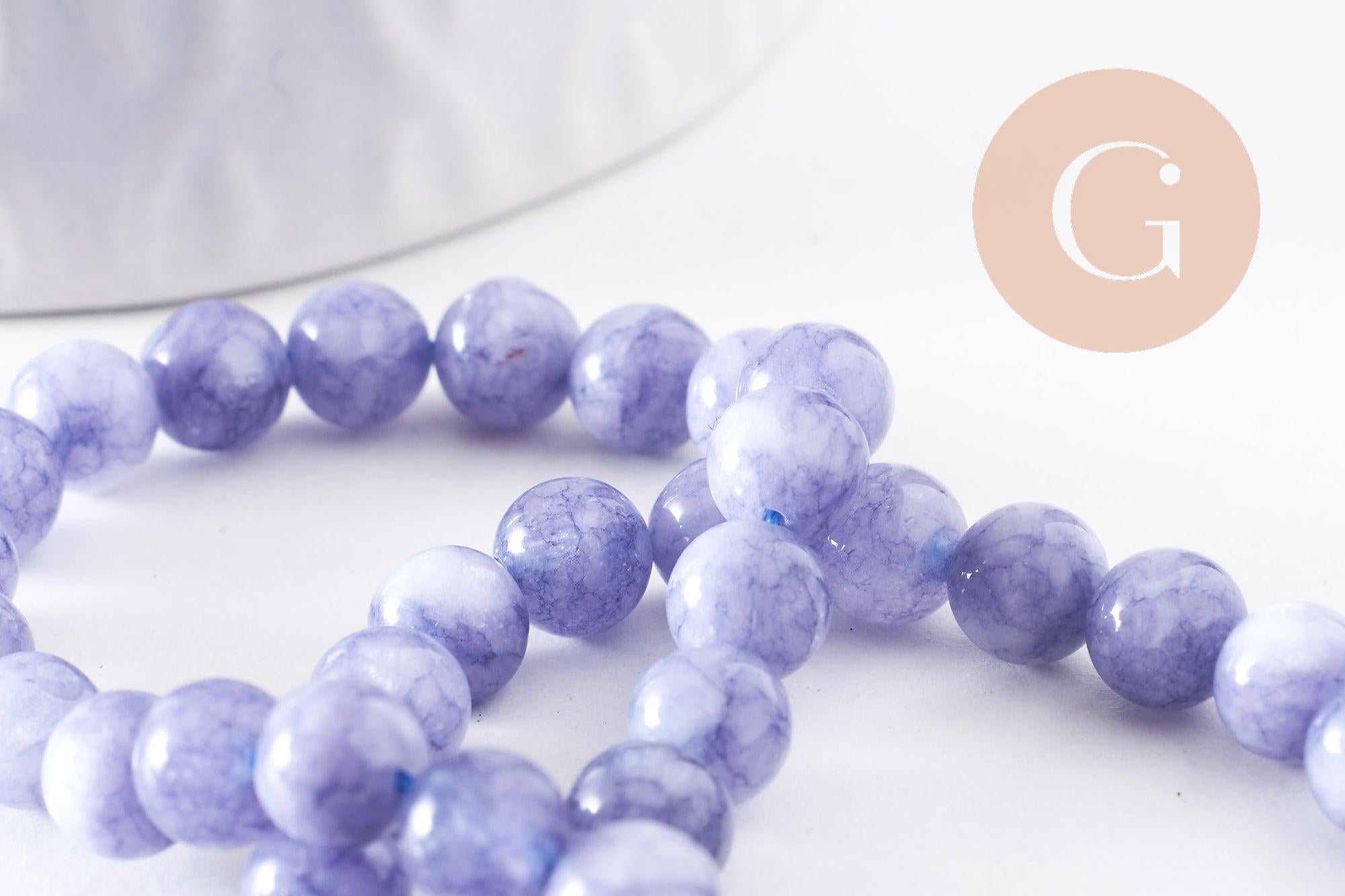
When choosing your beads, it's important to distinguish between untreated natural stones, and heated, stabilized, or dyed stones. Some stones are enhanced to intensify their color or improve their stability. These treatments are common in the lapidary industry and do not prevent the use of stones in jewelry making.

The diameter of the beads strongly influences the style of the jewelry. Beads measuring 4 to 6 mm are suitable for delicate creations. Sizes from 8 to 10 mm remain the most versatile for bracelets and necklaces. Beads of 12 mm and larger become true central elements.

The hole diameter is also an important criterion. Fine beads may require the use of beading wire, jade thread, or thin elastic cord.

To complete your creations, also discover our natural beads for DIY jewelry, our chains for DIY jewelryas well as our jewelry findings.

FAQs

How to tell if a stone bead is natural, dyed, or treated?


A natural stone may have undergone various treatments designed to improve its color or stability. The most common treatments are dyeing, heating, or stabilization. An untreated stone generally has less uniform shades, natural color variations, and sometimes visible inclusions. When available, it is advisable to consult the product sheet to know the exact nature of the treatment applied.

What's the difference between an untreated, heated, and dyed natural stone?


An untreated stone retains its natural appearance as it is extracted. A heated stone has undergone heat treatment intended to reveal or intensify certain naturally present colors. A dyed stone, on the other hand, receives artificial coloring that modifies its appearance. Certain stones like agate or howlite are frequently dyed to obtain vivid colors that are difficult to observe in nature.

What thread to use for stringing natural stone beads?


The choice depends on the weight and diameter of the beads. For bracelets, jewelry-grade elastic threads are most commonly used. For necklaces, coated beading wire offers excellent resistance. Jade thread is perfect for knotted creations or bohemian-style jewelry. The heavier the stones, the more advisable it is to use a strong thread and quality findings suited to the weight of the assembly.

Add Order Note
Code de réduction